
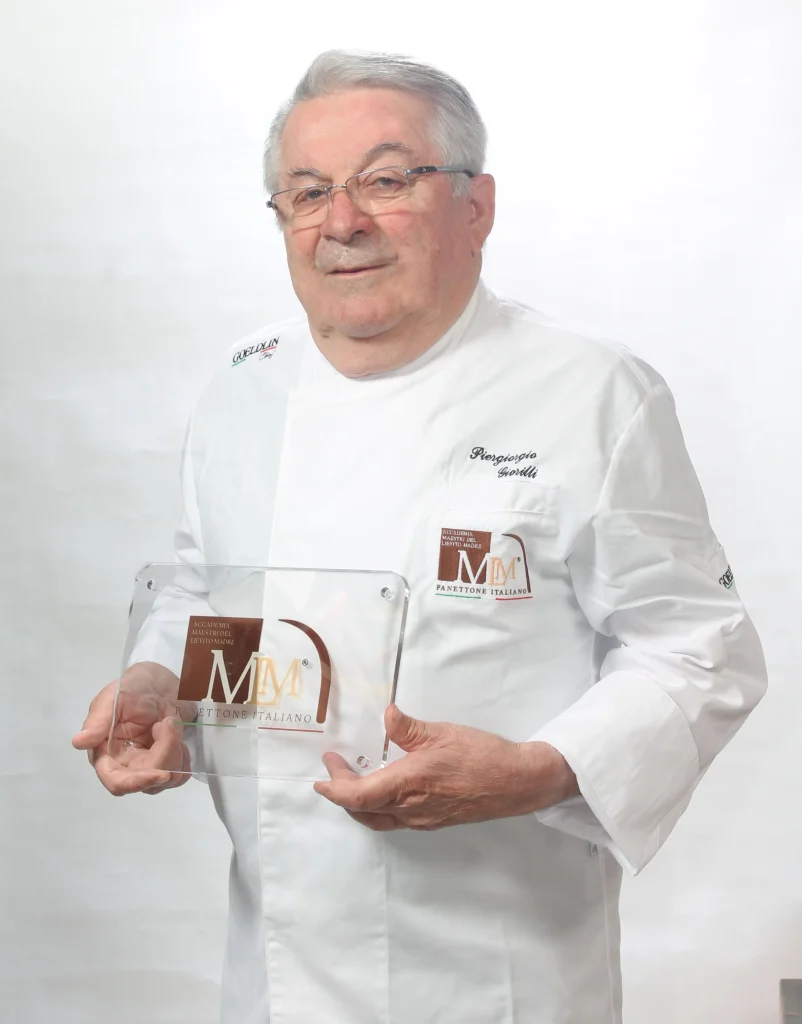
A fermentáció mindenkinek jelenthet valami mást: egyesek számára tudomány, másoknak intuíció, türelem vagy átalakulás.
Mit jelent Ön számára a fermentáció?
Ez az energiatermelésnek egy ősrégi módja, miszerint a mikroorganizmusok – például élesztők, baktériumok vagy penészgombák – oxigén felhasználása nélkül más anyagokká alakítják az általuk korábban “elfogyasztott” cukrokat. Három főbb típusú fermentáció van, a tejsavas, az alkoholos és az ecetsavas. Fontos, mert tartósít, megváltoztatja az ízt és az állagot, valamint könnyebben emészthetővé teszi az ételt (ebben az esetben a kenyeret). A fermentáció tehát egyszerre magában foglalja a tudományt és a táplálkozás-tant, ezért alaposan meg kell ismerni.
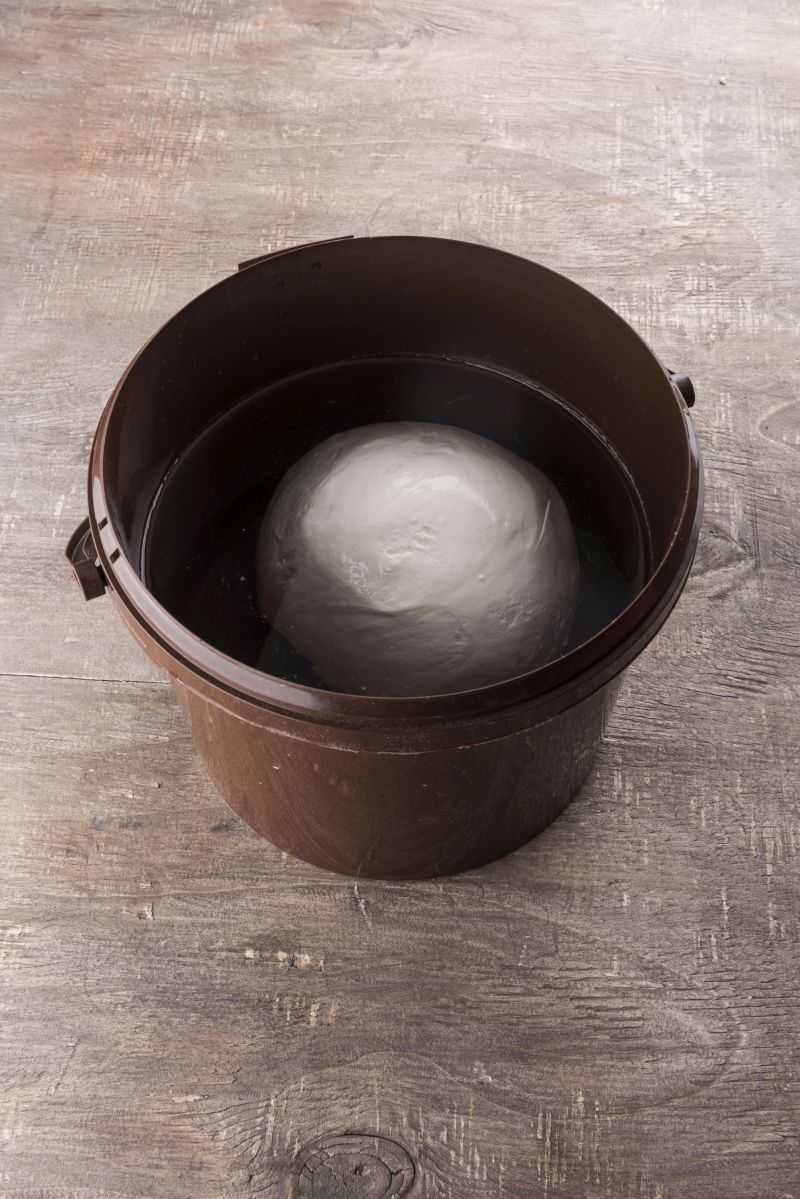
A természetes fermentáció egyik legfontosabb alapja egy kiegyensúlyozott madre.
Ön szerint mitől lesz igazán egészséges a kovász?
A kovász több okból is lehet egészséges. Az első a minőségi lisztek használata, azonban nem szabad megfeledkezni arról sem, hogy mind a tartás során, mind a produktív fázisban végzett különböző frissítések során, fontos az alkalmazott hőmérsékletet is. Nem szabad továbbá elfelejtkezni arról sem, hogy a meleg tejsavat hoz létre, a hideg pedig ecetsavat. A kovászos kenyér csökkenti a glikémiás indexet, több tápanyagot szabadít fel, mert a kovász hosszú fermentációja aktiválja a fitáz enzimet, amely lebontja a fitinsavat, különösen, ha teljes kiőrlésű liszteket használnak. És jót tesz a bélrendszernek is, mert a fermentáció bioaktív vegyületeket hoz létre, amelyek táplálják a jó bélflórát.
A legtapasztaltabb szakemberek gyakran nagyon sok mindent észrevesznek apró jelekből is.
Mi az első dolog, amit megfigyel egy kovásznál?
Az első dolog, amit megfigyelek egy kovásznál, a színe, amelynek fehérnek kell lennie, a második pedig a lyukak (alveolusok), amelyek nem lehetnek laposak, hanem oválisak kell legyenek és felfelé kell irányuljanak. A szagnak is megvan a jelentősége. Egy egészséges kovásznak joghurt- vagy almaillata van, néha egy enyhe virágos jegy is érezhető.
Sokan nehézségekbe ütköznek, amikor a kovászuk elveszíti az egyensúlyát vagy a stabilitását.
Mi a leggyakoribb hiba, amit a kovász kezelésében lát?
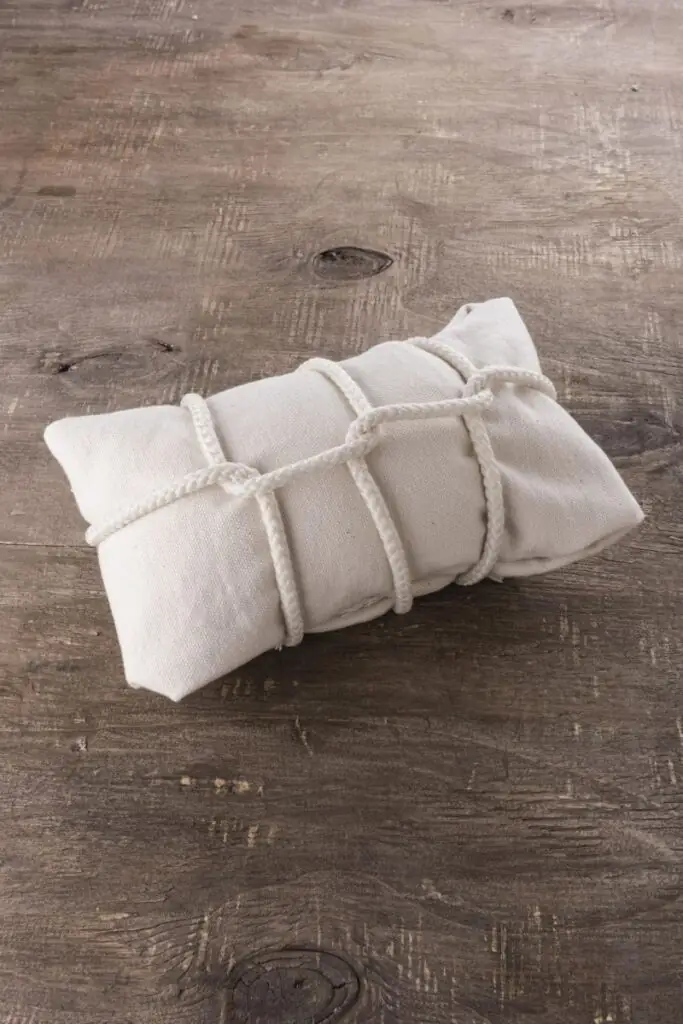
A leggyakoribb hiba a kovász kezelésében a hőmérséklet. Néhányan közvetlenül a frissítés után a hűtőbe teszik, miközben fontos egy ideig szobahőmérsékleten hagyni. Egy jó szabály a fenntartáshoz, hogy 5–7 naponta mindenképpen frissítsük. A csapvíz használata is árthat a kovász frissítésének, mivel a vízhálózatokban gyakran klórt adnak a fertőtlenítéshez, és ez károsíthatja a kovászt. Ezekben az esetekben jó természetes ásványvizet használni.
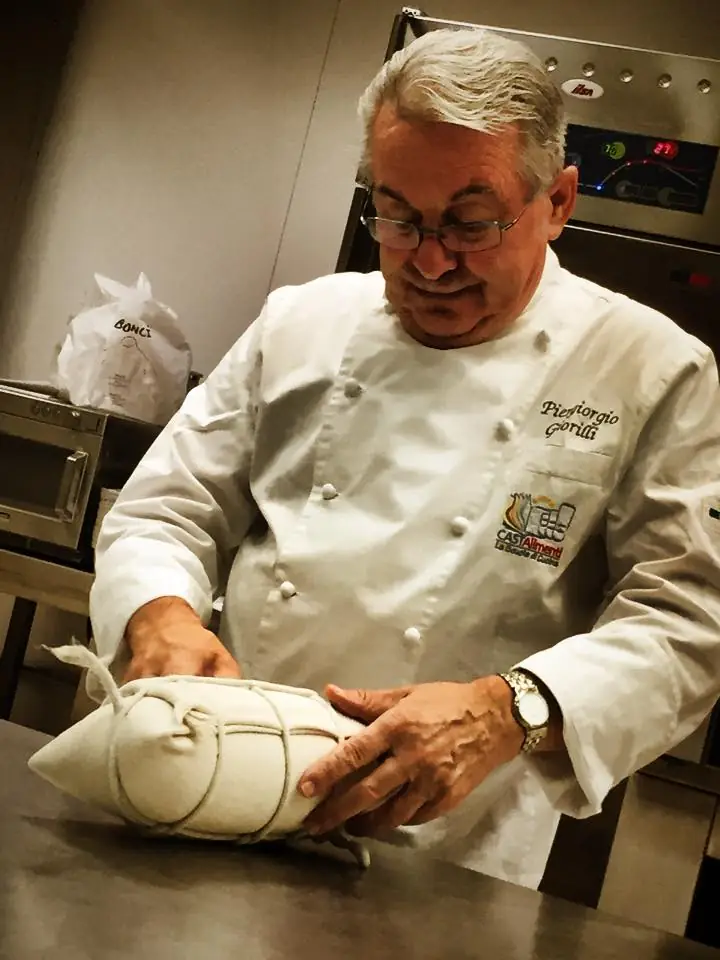
A szakmai út során a hibák gyakran nagy tanítók.
Mi volt az a hiba, amely a legtöbbet tanította Önnek a karrierje során?
Mindig próbáltam elkerülni a hibákat, de ahogy mondják: „senki sem tökéletes”, és általában akkor történik néhány hiba, amikor kénytelenek vagyunk liszttípust váltani. De még ezekben az esetekben is sokat segít a tapasztalat. Ami azonban a legtöbbet tanított nekem a pályám során, az mindig az volt, hogy tudjak figyelni, mert mindenkitől és a legapróbb dolgokból is lehet tanulni. Sok tanfolyamot tartottam, és amikor hazatértem, a zsákom mindig tele volt, mert azt kiürítettem ugyan, de az emberekkel való kapcsolat által mindig újra megtöltöttem.
Sokan azt mondják, hogy a kovász nemcsak technikára, hanem türelemre és alázatra is tanít.
Mit tanított Önnek személyesen a kovász?
A kovász pontosságra tanított. Nemcsak a kezelése terén, hanem az egész munkakörnyezetben is.
Magyarországon is egyre többen közelednek a kovász világához.
Milyen üzenetet szeretne megosztani a magyar pékekkel és azokkal, akik szeretnék jobban megismerni a kovászolást és a hosszú kelesztésű pékárukat?
A kovász és fermentációinak világa lenyűgöző, de egyben elég nehéz világ is. De még ha az első eredmények nem is kiválóak, nem szabad feladni, mert szenvedéllyel és jó akarattal végül nagy eredményeket lehet elérni. A kovász függőséget okoz!!!
Végül, ha csak egyetlen gondolatot hagyhatna a következő generáció számára a fermentáció témájában, mi lenne az?
A jövő a fiatalok kezében van, akiknek folytatniuk kell ezt a gyönyörű utat, mind gyakorlati, mind elméleti szinten, amely nemcsak a kovász kezelését foglalja magában, hanem a sütőipar területén más típusú fermentációkat is, mert ez egy hatalmas világ, tele megelégedettséggel.
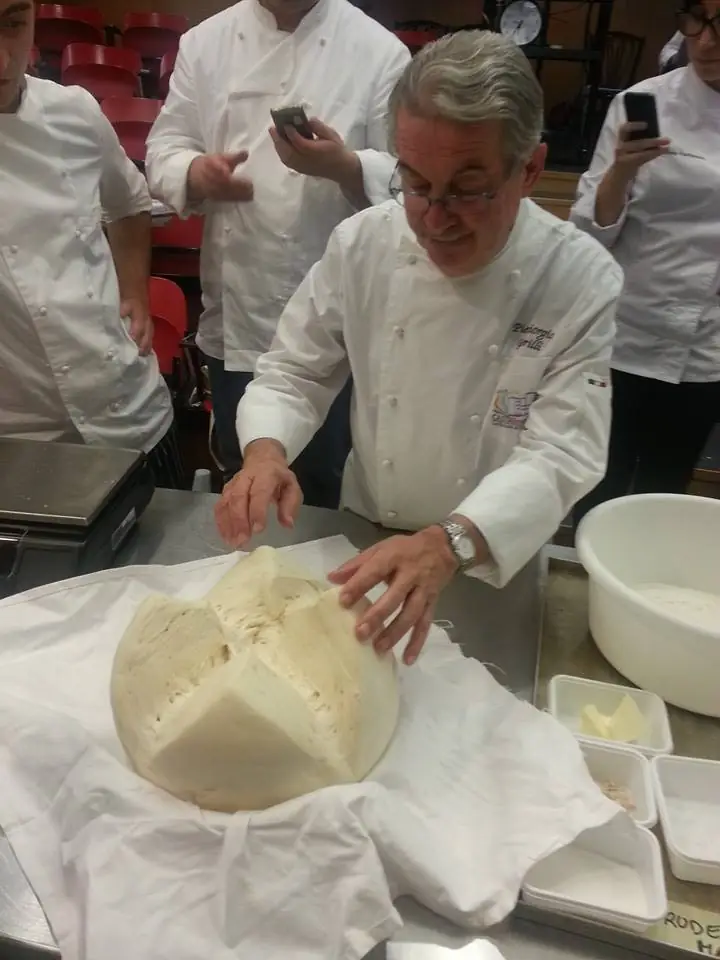
Fermentation can mean something different to everyone: for some, it is science; for others, intuition, patience, or transformation.
What does fermentation mean to you?
Fermentation is an ancient form of energy production in which microorganisms – such as yeasts, bacteria, or moulds – convert the sugars they have previously “consumed” into other substances without using oxygen. There are three main types of fermentation: lactic acid fermentation, alcoholic fermentation, and acetic acid fermentation. Fermentation is important because it preserves food, changes its flavour and texture, and makes it easier to digest (in this case, bread). Fermentation therefore combines both science and nutrition, making it essential to develop a thorough understanding of the process.
One of the most important foundations of natural fermentation is a healthy and well-balanced sourdough starter.
In your opinion, what makes a sourdough starter truly healthy?
A sourdough starter can be considered healthy for several reasons. The first is the use of high-quality flours. However, it is equally important to pay attention to temperature, both during maintenance and throughout the various feeding stages during its active, productive phase. It is also worth remembering that warmer temperatures favour the production of lactic acid, while cooler temperatures encourage the production of acetic acid. Sourdough bread can help lower the glycaemic response and release more nutrients, as the long fermentation process activates the enzyme phytase, which breaks down phytic acid – particularly when wholemeal flours are used. It also benefits gut health, as fermentation produces bioactive compounds that help nourish beneficial gut bacteria.
Experienced professionals often notice things that others might overlook.
What is the first thing you look for when examining a sourdough starter?
The first thing I look at is its colour, which should be white. The second is the holes (alveoli), which should not be flat but oval-shaped and oriented upwards. Smell is also important. A healthy sourdough starter should have a yoghurt-like or apple-like aroma, sometimes with a subtle floral note.
Many people encounter difficulties when their sourdough starter loses its balance or stability.
What is the most common mistake you see in sourdough starter maintenance?
The most common mistake in sourdough starter maintenance is temperature management. Some people place their starter in the refrigerator immediately after feeding, when it is important to leave it at room temperature for a while first. A good rule of thumb for maintenance is to feed the starter regularly, at least every 5–7 days. Using tap water can also negatively affect the feeding process, as water supplies are often treated with chlorine for disinfection, which can harm the starter. In such cases, using good-quality natural mineral water is a good alternative.
Mistakes are often our greatest teachers throughout our professional journey.
What mistake has taught you the most throughout your career?
I have always tried to avoid mistakes, but as the saying goes, “Nobody is perfect.” Mistakes tend to happen when we are forced to switch to a different type of flour. Even in these situations, however, experience can make a real difference. What has taught me the most throughout my career is the importance of being attentive and willing to listen, because we can learn from everyone and even from the smallest details. I have taught many courses, and whenever I returned home, my bag was always full. I may have emptied it of its contents, but through the connections I made with people, I always managed to fill it up again.
Many people say that sourdough teaches us not only technique, but also patience and humility.
What has sourdough taught you on a personal level?
Sourdough has taught me precision – not only in how I handle and maintain it, but also in every aspect of my working environment.
More and more people in Hungary are discovering the world of sourdough.
What message would you like to share with Hungarian bakers and those who want to learn more about sourdough and long-fermented baked goods?
The world of sourdough and fermentation is fascinating, but it can also be quite challenging. Even if the first results are not outstanding, you should never give up. With passion, dedication, and a positive attitude, you can eventually achieve great things. Sourdough is addictive!!!
Finally, if you could leave the next generation with just one thought about fermentation, what would it be?
The future is in the hands of young people, who must continue this beautiful journey, both in practice and in theory. This journey involves not only the art of sourdough maintenance but also the many other types of fermentation used in the baking industry. It is a vast world, full of rewarding experiences and a deep sense of fulfilment.
La parola fermentazione può significare una cosa diversa per ognuno: per alcuni vuol dire scienza, per altri intuizione, pazienza o trasformazione.
Che cosa significa per Lei la fermentazione?
È un modo antichissimo per produrre energia nel momento in cui dei microrganismi come lieviti, batteri o muffe “mangiano” gli zuccheri e li trasformano in altre sostanze senza l’utilizzo dell’ossigeno. Tre sono le principali: lattica, alcolica e acetica. È importante perché conserva, cambia sapore e consistenza e rende il cibo (in questo caso il pane) più digeribile. La fermentazione quindi coinvolge sia la scienza che la nutrizione e deve essere conosciuta a fondo.
Uno dei fondamenti più importanti della fermentazione naturale è un lievito madre equilibrato.
Secondo Lei, cosa rende davvero sano un lievito madre?
Un lievito madre è sano per vari motivi. Il primo è l’utilizzo di farine di qualità senza dimenticare le temperature utilizzate sia per il mantenimento che per i vari rinfreschi che vengono effettuati in fase di produzione. Non bisogna inoltre dimenticare che il caldo porta acido lattico e il freddo porta acido acetico. Il pane prodotto con lievito madre abbassa l’indice glicemico, libera più nutrienti perché con la lunga fermentazione del lievito madre attiva l’enzima fitasi che distrugge l’acidio fitico soprattutto se si utilizzano delle farine integrali. E fa bene all’intestino perché la fermentazione crea composti bioattivi che nutrono la flora intestinale buona.
I professionisti più esperti spesso se ne accorgono di tutto anche dai piccoli segnali.
Qual è la prima cosa che Lei osserva, vedendo un lievito madre?
La prima cosa che osservo in un lievito madre è il colore che deve essere bianco e la seconda cosa sono gli alveoli che non devono essere piatti ma ovali e rivolti verso l’alto. Anche l’odore ha la sua importanza. Un lievito madre sano profuma di yogurt o di mela, a volte si sente anche un tocco floreale.
Molte persone si trovano in difficoltà quando il loro lievito madre perde equilibrio o stabilità.
Qual è l’errore più comune che Lei vede nella gestione del lievito madre?
L’errore più comune nella gestione del lievito è la temperatura. Alcuni, subito dopo il rinfresco lo mettono in frigorifero mentre è importante lasciarlo qualche tempo a temperatura ambiente. Una buona regola per il mantenimento è rinfrescarlo ogni 5/7 giorni massimo. Anche l’utilizzo di acqua di rete può nuocere al rinfresco del lievito in quanto spesso negli acquedotti viene introdotto del cloro per la disinfezione e questo può nuocere al lievito. In questi casi è bene utilizzare dell’acqua minerale naturale.
Nel percorso professionale, gli errori sono spesso grandi insegnanti.
Quale è stato l’errore che Le ha insegnato di più nella Sua carriera?
Ho sempre cercato di evitare errori ma come si dice “nessuno è perfetto” e normalmente qualche errore viene fatto quando si è costretti a cambiare un tipo di farina. Ma anche in questi casi l’esperienza aiuta molto. Ma ciò che mi ha più insegnato nella mia carriera è stato sempre saper ascoltare perché si può imparare da tutti e dalle più piccole cose. Ho tenuto tanti corsi e quando tornavo a casa il mio sacco è sempre stato pieno perché vuotavo il mio ma lo riempivo sempre a contatto con le persone.